Data
Developer
I build data pipelines and backend systems that scale, perform, and don't break.
Computer Science graduate with hands-on experience building ETL pipelines, RAG systems, and data infrastructures. Available for full-time roles and freelance engagements.

 Ahmad Munim
About Me
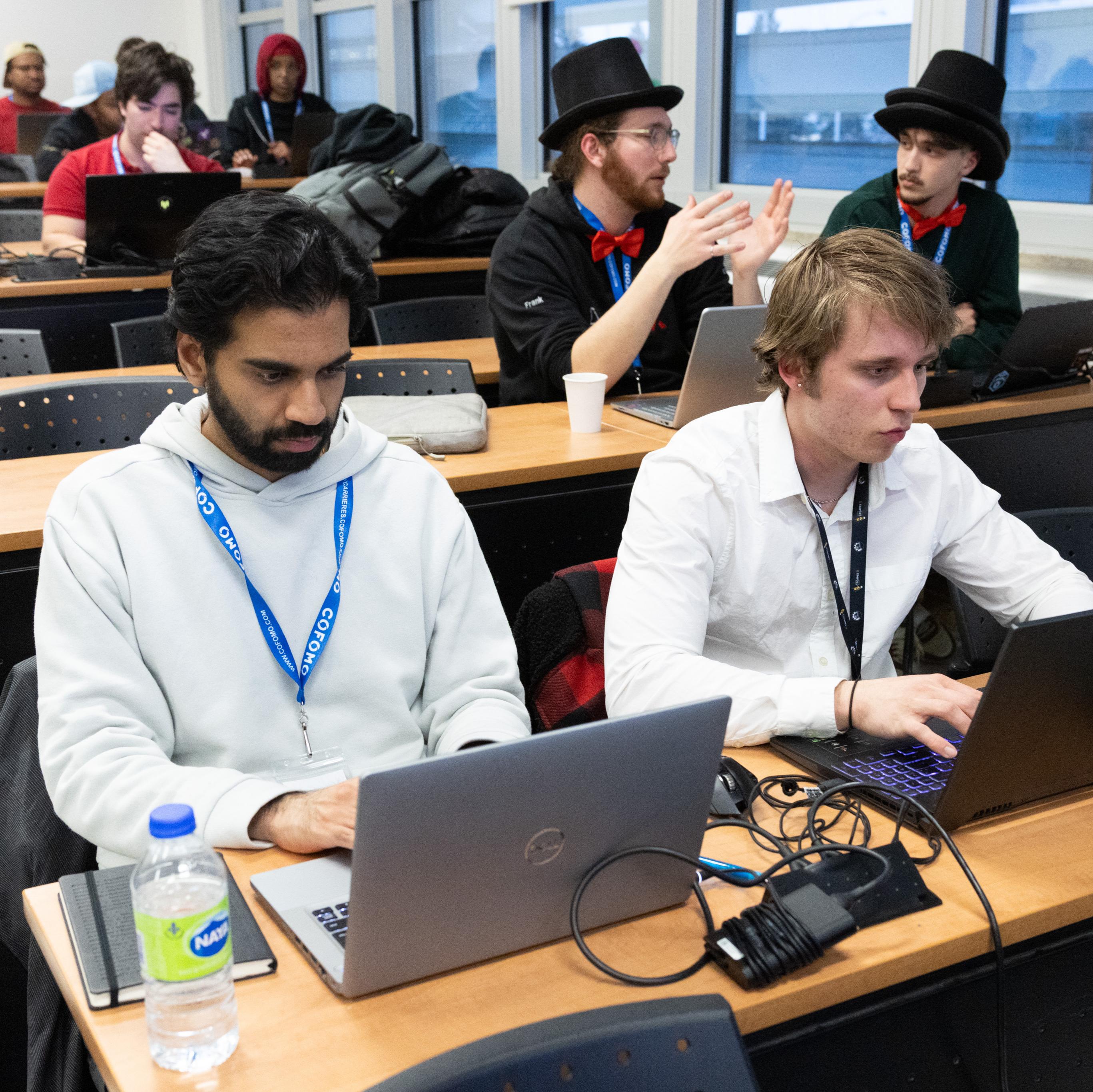
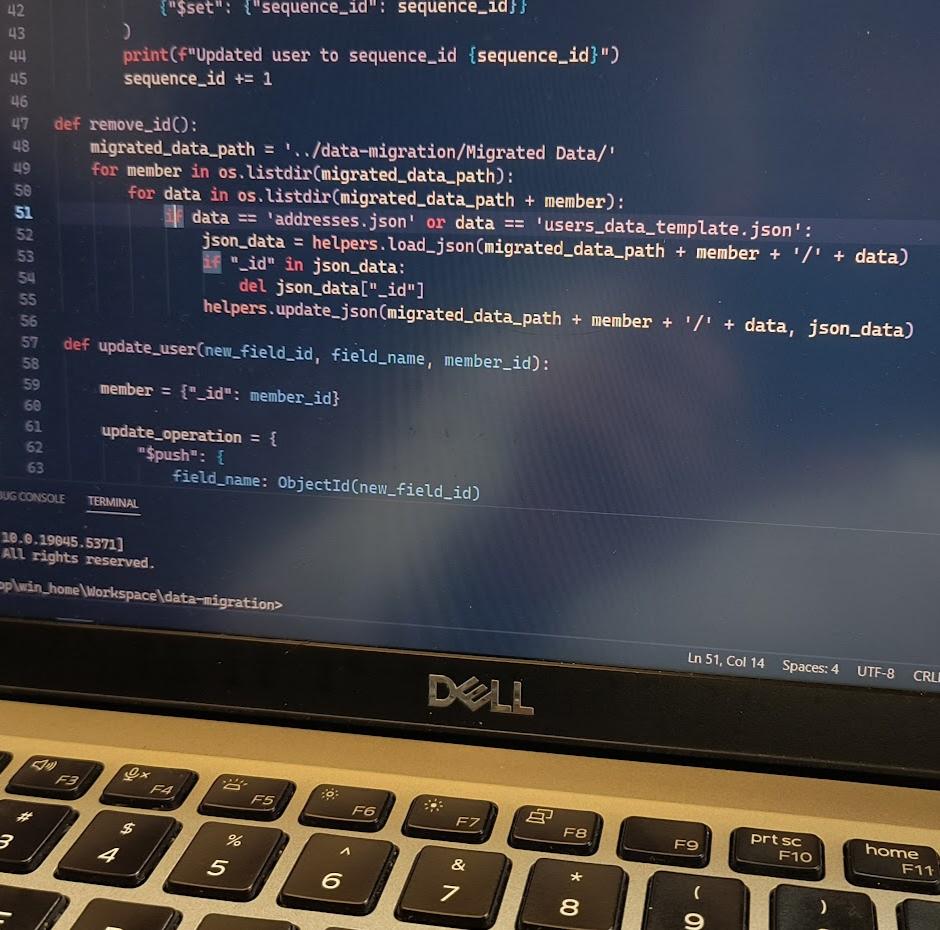
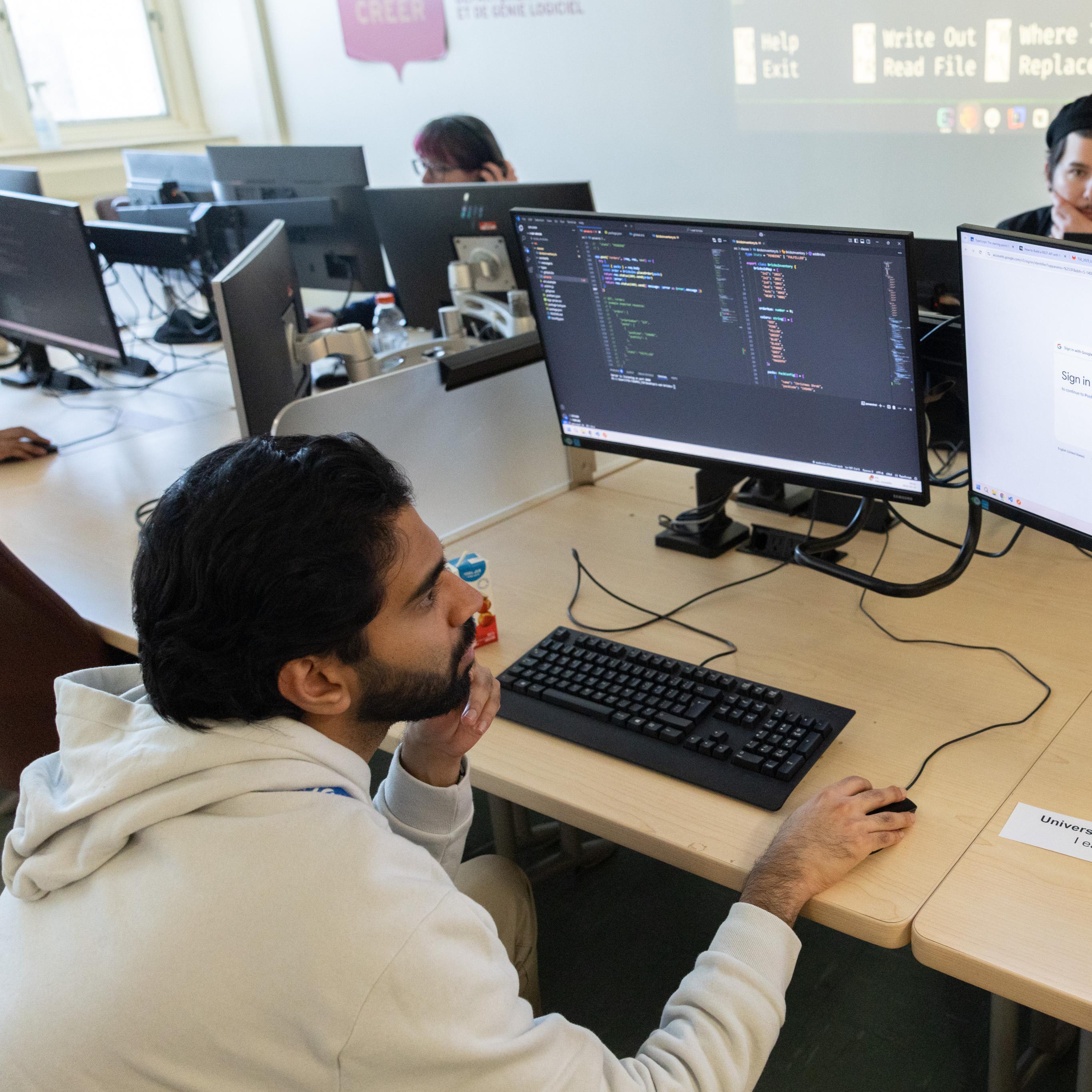

I completed my Bachelor of Science in Computer Science (Honours) at the University of Windsor, graduating in 2025 w/ distinction. During my time there I was part of the Outstanding Scholars Program: an honor awarded to the top 1% of students for exceptional academics, and built hands-on experience across software engineering, data analytics, databases, and AI/ML, and served the Computer Science Society as a Event Coordinator and Treasurer.
Today, I build backend systems and data infrastructure that organizations can rely on. My work spans data pipelines and database design that turn raw, inconsistent data into something clean and production-ready, RAG systems powered by reliable ingestion and chunking, and backend engineering through APIs, automation workflows, and cloud services built to scale without breaking under pressure.
I care about doing the job right. That means designing systems with intention, implementing solutions that hold up under real-world conditions, and solving the business problem, not just the technical one. When a system is broken, I don't just patch it, I understand why it broke.
I build systems that work. The work that happens behind the scenes but makes everything else possible.
Real Work, Real ImpactMy Skills
Explore my technical skills across different domains. Click on any category to see the specific technologies and tools that I work with.
What I can do for you
Whether you need data processed and structured the right way, messy data cleaned up, or a backend system that actually holds up, I've got you covered.
Build clean, well-designed APIs that connect your systems reliably and are easy to maintain as your app grows.
Connect your data and workflows to cloud services that scale with your needs, without any headaches.
Eliminate tedious manual processes by automating the steps between your tools.
Move, process, and deliver data from source to destination reliably, with integrity.
Build AI systems that answer questions from your own documents accurately, grounded in your data rather than guesswork.
Turn raw, inconsistent data into clean, structured formats your systems and teams can actually work with.
Move your data from legacy systems to modern infrastructure with zero data loss and full integrity intact.
Design databases that are structured for performance, built for scale, and easy to query as your data grows.
Productive Results, Lasting Impact
Every project I take on ships with a clear outcome. Here's the proof.
Data Engineering Intern
WECCC
No reliable way to migrate legacy survey and user data into a modern database. Datasets were inconsistent, PII was stored in plaintext, and there was no automated migration process in place.
Built a full ETL pipeline to migrate 1,200+ user profiles and survey responses into new platform, with automated validation, schema mapping, deduplication, and an encryption module for sensitive PII fields.
Data Engineer
Scelta
Construction teams relied on physical binders and documents to find project information which slowed down their workflow. Needed a reliable, document-grounded AI system that could answer project questions more accurately than a general-purpose tool like ChatGPT
Architected and built a RAG pipeline, designing the parsing, and chunking stages that turned raw construction documents into a reliable, queryable knowledge base. Automated metadata extraction, rollback on document upload failure, and stale embedding cleanup.
Apriori & MinHash Optimization
Personal Project
Standard Apriori had unsustainable memory costs at scale, and traditional MinHash produced similarity matches driven by generic words rather than semantically meaningful ones.
Re-implemented Apriori using a Trie data structure to reduce memory usage, and built a Weighted MinHash algorithm that biased similarity scoring toward sentiment-rich tokens using ratings and recommendation flags.
AI Engineer Intern
Glendor
Needed to know whether open-source LLMs could reliably extract PHI from medical records, but had no benchmarking framework and no efficient way to run evaluations on constrained hardware.
Built a prompt engineering and evaluation framework to benchmark LLMs against clinical text, converted XML medical records into plain text for NLP testing, and automated batch execution loops for overnight processing.